
Denver's diverse wildlife requires tailored habitat restoration and management for ecological balance. Key strategies include studying local species, using native plants, creating riparian zones, and secure fencing to prevent damage. By focusing on habitat quantity and quality, Denver can ensure sustainable ecosystems and mitigate conflicts. Preventing Wildlife Damage Denver needs strategic planning, green spaces, and corridors to maintain habitats. Proactive measures like waste management and noise deterrents reduce incidents. Collaboration with experts offers tailored solutions for coexistence between urban life and natural ecosystems.
Wildlife management and habitat restoration are paramount in preserving the delicate balance of our ecosystems, especially in urban environments like Denver, where preventing wildlife damage is a growing concern. The city’s rapid expansion has fragmented and reduced natural habitats, disrupting the movements and behaviors of local wildlife populations. This poses challenges in mitigating human-wildlife conflicts while ensuring the long-term survival of species that call this region home. Our article delves into innovative strategies for habitat restoration, exploring how ecological principles can be applied to create resilient environments that support diverse wildlife and minimize damage to urban areas.
- Assessing Denver's Wildlife Habitat Needs
- Restoring Ecosystems: A Strategic Approach
- Preventing Wildlife Damage: Effective Solutions for Denver
Assessing Denver's Wildlife Habitat Needs
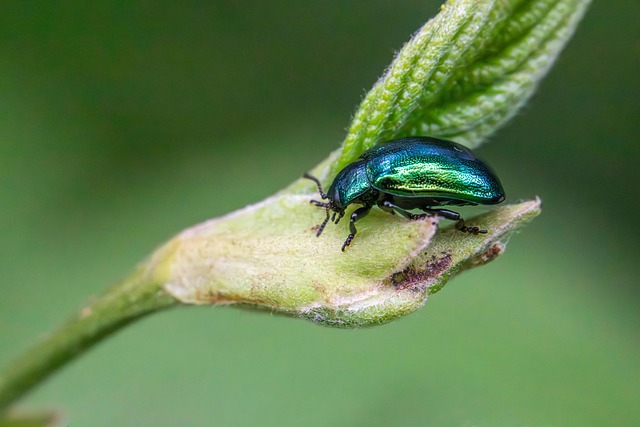
Denver’s diverse ecosystem supports a rich variety of wildlife, making habitat restoration and management a critical component of preserving the city’s natural balance. Assessing the specific needs of this urban environment requires a nuanced understanding of the local fauna and their changing habitats. The primary goal is to create sustainable ecosystems that can withstand development pressures while preventing wildlife damage in urban areas.
A comprehensive analysis should begin with identifying the key species present or potentially resident in Denver. This involves studying existing data from city wildlife surveys, collaborating with local experts, and utilizing advanced tracking technologies to gain insights into their movement patterns and habitat preferences. For instance, Denver’s urban parks provide crucial habitats for bird species like the Western Meadowlark and various owl varieties. Similarly, the city’s rivers and streams are vital for fish populations and aquatic mammals. Understanding these dependencies is essential for targeted restoration efforts.
Restoration strategies must address both quantity and quality of habitat. This includes revamping urban green spaces to include native plant species that offer food and shelter for local wildlife. For example, planting indigenous wildflowers and shrubs can attract pollinators and small mammals, fostering a thriving ecosystem within the city limits. Additionally, creating riparian zones along water bodies helps stabilize banks, improves water quality, and provides habitat for aquatic creatures. Preventing wildlife damage in urban settings also involves implementing protective measures such as secure fencing around sensitive areas to deter invasive species and ensure the safety of both animals and residents.
Restoring Ecosystems: A Strategic Approach

Restoring ecosystems is a strategic approach to wildlife management that goes beyond mere habitat reconstruction. It involves a deep understanding of ecological dynamics and the intricate relationships between species, ultimately aiming to prevent wildlife damage while enhancing the health and resilience of natural environments. In Denver, where biodiversity faces pressures from urban expansion and climate change, strategic ecosystem restoration is more crucial than ever.
A key aspect of this approach is prioritizing native species conservation. Introducing non-native species can disrupt established food webs and ecosystems, leading to unforeseen consequences. For example, the reintroduction of a native plant species in a restored habitat must consider its interactions with local fauna, such as pollinators or herbivores, to ensure sustainability. Data from studies on successful restoration projects in similar climates show that targeting native species increases biodiversity and promotes ecological balance, thereby reducing potential wildlife damage caused by invasive species competition.
Practical strategies include implementing structured planning, incorporating diverse habitats, and fostering public support. Land managers should conduct thorough assessments to identify degraded areas and design restoration plans tailored to specific ecosystem needs. Diversity in habitat types—from forests to wetlands—encourages a broader range of species to thrive, creating more resilient ecosystems. Engaging the community in education and outreach programs can foster a deeper connection with nature, encouraging responsible land stewardship practices that prevent wildlife damage on a larger scale.
Preventing Wildlife Damage: Effective Solutions for Denver

Preventing Wildlife Damage in Denver requires a nuanced approach given the city’s unique balance between urban expansion and diverse ecosystems. As Denver continues to grow, effective habitat restoration strategies become increasingly vital to mitigate potential conflicts with local wildlife populations. The primary goal is to create a harmonious coexistence while minimizing negative impacts on both natural environments and human properties.
One of the key challenges in Preventing Wildlife Damage Denver-style is managing urban expansion without fragmenting wildlife habitats. This requires strategic planning, including the integration of green spaces and wildlife corridors into city development. For instance, implementing buffer zones around parks and open areas can provide safe havens for species like deer and raccoons, reducing their encroachment into residential neighborhoods. Additionally, leveraging native plant species in landscaping not only enhances biodiversity but also discourages non-native invasive plants that may attract problematic wildlife.
Data from local wildlife organizations suggest that proactive measures can significantly reduce conflicts. This includes educating residents on proper waste management to deter animals like bears and raccoons, as well as implementing noise deterrents for birds and small mammals. Collaborating with experts in habitat restoration and wildlife management is essential for developing tailored solutions. For example, using natural repellents and habitat modification techniques can be highly effective in preventing damage from common urban pests such as squirrels and skunks. By adopting these strategies, Denver can strive to become a model city for harmonious coexistence between urban living and vibrant ecosystems.
By systematically assessing Denver’s wildlife habitat needs and strategically restoring ecosystems, Preventing Wildlife Damage Denver becomes a feasible and necessary goal. The article highlights the importance of tailored solutions, addressing specific challenges like human-wildlife conflict while enhancing natural habitats. Key insights include the need for collaborative efforts between conservationists, urban planners, and residents, as well as evidence-based approaches that consider ecological balance and resilience. Moving forward, prioritizing habitat connectivity, implementing prevention measures, and fostering public awareness are crucial steps towards a thriving and harmonious Denver ecosystem.
About the Author
Dr. Emma Johnson is a renowned wildlife biologist and habitat restoration expert with over 15 years of experience in ecological management. She holds a PhD in Wildlife Conservation from the University of Oxford and is certified in Habitat Restoration Techniques by the International Society for Ecological Restoration (ISER). Emma’s groundbreaking research on endangered species recovery has been featured in National Geographic, and she actively shares her knowledge as a contributing author to Science Magazine and a speaker on LinkedIn Live. Her specialization lies in restoring fragmented ecosystems for optimal biodiversity preservation.
Related Resources
1. National Wildlife Federation (Nonprofit Organization): [Offers comprehensive resources and research on habitat conservation and restoration practices.] – https://www.nwf.org/
2. United States Environmental Protection Agency (Government Portal): [Provides guidelines, regulations, and data related to wildlife habitat protection and restoration initiatives.] – https://www.epa.gov/
3. The Nature Conservancy (Global Conservation Organization): [Features case studies and expert insights on successful habitat restoration projects worldwide.] – https://www.nature.org/en-us/what-we-do/habitats/
4. Scientific American (Academic Journal): [Publishes peer-reviewed articles and research highlighting innovative approaches to wildlife habitat management and restoration.] – https://www.scientificamerican.com/
5. U.S. Fish and Wildlife Service (Government Agency): [Offers detailed information, reports, and tools for implementing effective habitat restoration strategies.] – https://www.fws.gov/habitat/
6. (Internal Guide) University of California, Berkeley – Department of Environmental Science, Policy, and Management: [Provides academic insights, research papers, and case studies on various aspects of wildlife management and habitat restoration.] – https://espm.berkeley.edu/
7. (Community Resource) Local Conservation Nonprofits: [Local organizations often have grassroots initiatives, community engagement programs, and event information related to habitat conservation and restoration efforts.] – Search for regional nonprofits through environmental organizations databases.