
Preventing Wildlife Damage Denver requires understanding local species and their behaviors to implement tailored strategies. These include using bird-friendly glass, securing trash cans, employing native plants and wildlife crossings, reducing food sources, installing physical barriers like thorny plants or scent repellents, and educating the community. Collaboration with experts ensures a harmonious urban ecosystem while mitigating conflicts between humans and animals during critical periods.
As cities expand, understanding and managing interactions with urban wildlife becomes increasingly crucial. This comprehensive guide explores preventing wildlife damage in Denver through effective strategies. We delve into the intricate web of urban wildlife behavior, assessing potential risks, and implementing tailored management plans. By examining successful cases and adopting best practices, this article offers valuable insights for creating harmonious coexistence between urban dwellers and their wild neighbors, ensuring a safer and more balanced environment for all in Denver.
- Understanding Urban Wildlife Interactions in Denver
- Assessing Damage Prevention Strategies
- Implementing Effective Wildlife Management Plans
Understanding Urban Wildlife Interactions in Denver
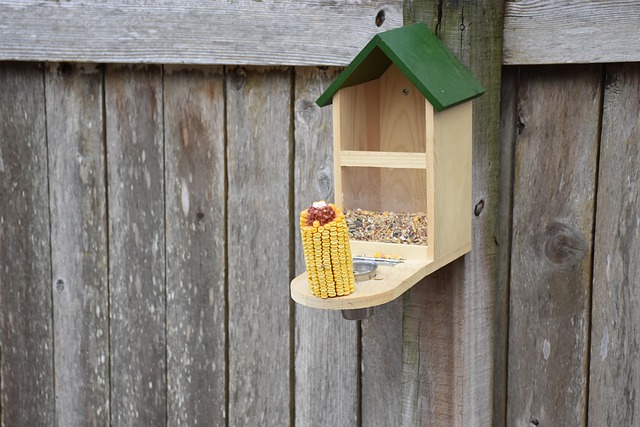
Understanding urban wildlife interactions is crucial for developing effective Wildlife Management plans, especially in a diverse city like Denver. With an ever-growing urban landscape, preventing wildlife damage becomes a significant concern for both residents and local authorities. Denver’s unique ecosystem attracts a variety of species, from squirrels and birds to more elusive creatures, creating complex dynamics within the urban environment.
By studying these interactions, wildlife management teams can implement strategies to mitigate potential conflicts between humans and animals. This involves understanding feeding habits, mating seasons, and migration patterns, which can influence where and when damage is most likely to occur. For instance, preventing wildlife damage in Denver might include implementing specific measures during peak nesting seasons or providing alternative food sources to deter animals from seeking sustenance in residential areas.
Assessing Damage Prevention Strategies

When developing an urban wildlife plan in Denver, assessing damage prevention strategies is paramount. This involves understanding the specific wildlife species present and their behaviors to implement tailored solutions. For instance, preventing bird collisions with buildings requires installing avian-friendly glass treatments or placing deterrents like hawk sculptures, while minimizing squirrel damage might involve securing trash cans with tight-fitting lids and trimming tree branches near structures.
Effective prevention strategies should also consider the urban landscape’s unique challenges. Denver’s diverse terrain necessitates flexible approaches, such as using native plants that provide natural food sources and habitats, installing wildlife crossings for safe movement across roads, and designing green spaces that support a variety of species. Collaborating with local experts and leveraging community input further enhances the success of these strategies in preventing wildlife damage while fostering harmonious coexistence.
Implementing Effective Wildlife Management Plans

Implementing effective wildlife management plans is crucial for preventing wildlife damage in urban areas like Denver. These strategies involve a combination of habitat manipulation, deterrents, and non-lethal methods to coexist harmoniously with local fauna. One key approach is to reduce or eliminate food sources that attract unwanted animals, such as garbage or pet food left unattended. Additionally, installing physical barriers like fences or nets can keep wildlife out of sensitive areas.
In Denver, the diverse urban landscape presents unique challenges and opportunities for wildlife management. Landscaping practices play a significant role in mitigating conflicts; incorporating deterrents like thorny plants or scent repellents around gardens and structures can discourage wildlife from causing damage. Community education is another vital component—informing residents about local species and appropriate interactions fosters a more harmonious relationship with Denver’s urban wildlife.
In conclusion, developing an effective urban wildlife management plan is crucial for preventing wildlife damage in Denver. By understanding local wildlife interactions and implementing tailored strategies, we can minimize conflicts and foster harmonious coexistence. Assessing damage prevention measures and adopting proven management techniques are key steps towards creating a balanced and sustainable environment where both urban dwellers and wildlife thrive. This holistic approach ensures that Denver remains a vibrant city that respects and protects its natural neighbors.