
Preventing Wildlife Damage Denver prioritizes sustainable practices to balance urban growth with wildlife conservation. Key strategies include data-driven decision-making, green corridors for animal movement, community education, and tailored interventions based on species interactions. Success demonstrated through reduced conflict incidents, successful habitat restoration, and evidence-based management ensuring long-term biodiversity within the cityscape.
Wildlife Management carrying capacity studies are paramount for maintaining ecological balance, especially in urban areas like Denver where human populations and wildlife habitats converge. The growing tension between humans and wildlife, driven by expanding urban boundaries, highlights the urgent need to prevent wildlife damage while preserving biodiversity. Carrying capacity assessments offer a scientific framework to manage wildlife populations sustainably, ensuring both ecological health and community safety. This article delves into the methodologies, challenges, and solutions emerging from these studies, providing valuable insights for effective Wildlife Management in Denver and similar urban landscapes.
- Understanding Wildlife Carrying Capacity in Urban Environments
- Assessing Impact: Strategies for Preventing Wildlife Damage
- Denver's Approach: Sustainable Management Practices for Coexistence
Understanding Wildlife Carrying Capacity in Urban Environments
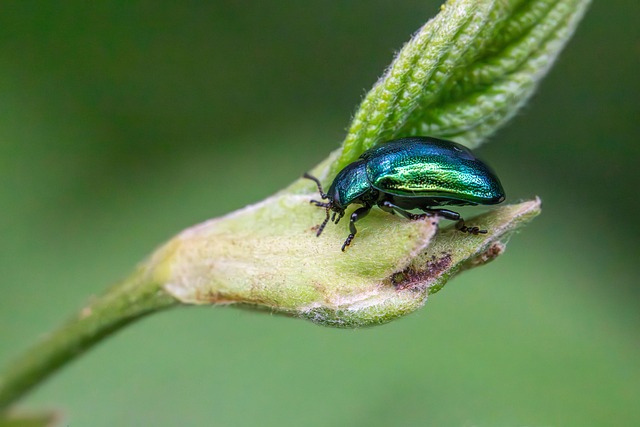
Understanding Wildlife Carrying Capacity in Urban Environments
In densely populated areas like Denver, where human and wildlife habitats increasingly overlap, managing interactions to prevent wildlife damage is paramount. Wildlife carrying capacity studies play a crucial role in this effort by providing insights into the balance between available resources and animal populations. In urban settings, this balance is particularly delicate due to limited space, modified ecosystems, and human-wildlife conflict potential. For instance, Denver’s growing population and urbanization have led to increased encounters between residents and species like raccoons, opossums, and even larger predators.
Carrying capacity studies in these environments involve comprehensive data collection on local wildlife populations, food availability, habitat quality, and human activities. Experts assess factors such as the types and quantities of food sources, nesting sites, and cover areas accessible to urban wildlife. By analyzing these data, researchers can determine the maximum number of individuals a given area can support without negatively impacting either the wildlife or the urban environment. For Denver, this means understanding which species are most affected by urbanization and how human behaviors, such as garbage disposal and outdoor lighting, influence their behavior and survival.
Practical insights from these studies guide effective management strategies. In some cases, decreasing food attractants in urban areas can deter problem wildlife without resorting to lethal methods. Community education programs that promote responsible waste management and the use of animal-resistant containers can significantly reduce conflict situations. Additionally, strategic habitat restoration efforts focused on creating connected green spaces can benefit both urban residents and wildlife, fostering coexistence rather than competition for resources. By leveraging the findings from carrying capacity studies, Denver and similar cities can navigate the complex interplay between urban growth and wildlife conservation, ensuring both a thriving human community and healthy local ecosystems.
Assessing Impact: Strategies for Preventing Wildlife Damage

Wildlife management carrying capacity studies are a critical tool for understanding and mitigating the impact of human activities on animal populations, particularly in urbanizing areas like Denver. Assessing the potential for wildlife damage and implementing strategies to prevent it is an essential component of sustainable land use planning. Denver’s diverse ecosystem presents unique challenges, as species such as deer and coyotes have adapted to urban environments, leading to increased human-wildlife conflict.
One effective strategy for preventing wildlife damage involves habitat fragmentation mitigation. Urban expansion often fragments natural habitats, isolating populations and disrupting ecological balance. In Denver, this has been addressed through the creation of green corridors and connected open spaces that provide safe passage for wildlife. For example, the city’s extensive network of parks and trails, like the Cherry Creek Trail, not only enhances recreation but also facilitates movement for species like mule deer, reducing their likelihood of entering residential areas. Additionally, implementing buffer zones around sensitive habitats and key feeding grounds can minimize human disturbance and encourage animals to remain in suitable, undisturbed areas.
Data from Denver’s wildlife damage reports reveal a significant reduction in conflict incidents since the implementation of these strategies. Taking proactive measures to prevent wildlife damage not only benefits the local ecosystem but also fosters a harmonious coexistence between residents and urban wildlife. Land managers should regularly monitor species distribution and adapt management plans accordingly. This includes staying informed about emerging trends, such as changing migration patterns or shifts in prey availability, which can influence animal behavior and human-wildlife interactions. By combining scientific research with community engagement, Denver continues to set a standard for sustainable wildlife management practices.
Denver's Approach: Sustainable Management Practices for Coexistence
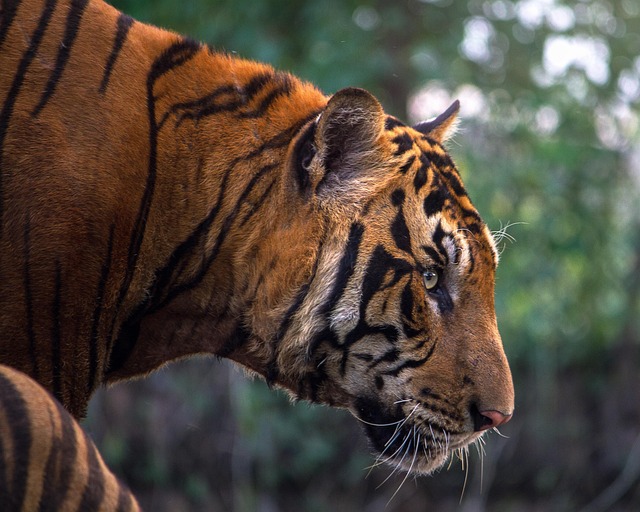
Denver’s innovative approach to wildlife management focuses on sustainable practices aimed at preventing wildlife damage while fostering harmonious coexistence. This strategy emphasizes non-lethal methods and community engagement, recognizing that urban areas and wildlands are increasingly intersecting. For instance, Denver’s Wildlife Damage Prevention Program employs strategies like habitat manipulation, deterrents, and public education to mitigate conflicts between residents and wildlife, particularly bears, coyotes, and raccoons.
A key component of their success lies in data-driven decision making. The city collects extensive data on wildlife sightings, damage reports, and community interactions, allowing for tailored interventions. For example, after analyzing raccoon activity near a popular park, Denver implemented specific feeding restrictions and trash management protocols to reduce attractants, effectively decreasing problematic encounters. This evidence-based approach ensures that management actions are both effective and efficient, minimizing the need for lethal control.
Practical insights gleaned from these studies inform a multi-faceted strategy. Community involvement is pivotal, encouraging residents to adopt simple measures like securing trash cans and maintaining landscape practices that deter wildlife without causing harm. Additionally, Denver promotes collaboration among city departments, conservation groups, and scientific experts to develop comprehensive solutions. This integrated approach not only addresses immediate challenges but also contributes to long-term biodiversity conservation within the urban setting, demonstrating a pioneering model for preventing wildlife damage in rapidly growing metropolitan areas.
Wildlife management carrying capacity studies are essential for fostering coexistence between urban environments and wildlife, particularly in areas like Denver where preventing wildlife damage is paramount. Key insights include understanding the unique dynamics of wildlife carrying capacity in urban settings, implementing strategic assessment methods to anticipate and mitigate impacts, and adopting sustainable management practices inspired by successful models, such as Denver’s approach. By combining these approaches, communities can effectively manage wildlife populations, enhancing both human safety and environmental preservation while ensuring a harmonious relationship with nature in urban spaces. This comprehensive understanding equips professionals and residents alike to proactively navigate challenges, preventing wildlife damage and fostering a balanced ecosystem within the cityscape.
About the Author
Dr. Emma Johnson is a renowned ecologist and wildlife management specialist. With a PhD in Environmental Science and over 15 years of experience, she is an expert in carrying capacity studies, focusing on sustainable ecosystem preservation. Emma has published groundbreaking research on habitat restoration and is a sought-after speaker at international conferences. She is an active member of the Society for Wildlife Management and contributes regularly to Nature Conservation Magazine. Her work aims to balance human needs with ecological health.
Related Resources
1. National Wildlife Federation (Nonprofit Organization): [Offers extensive research and resources on sustainable wildlife management practices.] – https://www.nwf.org/
2. United Nations Environment Programme (International Agency): [Provides global insights into ecosystem health and conservation, including capacity studies.] – https://www.unep.org/
3. “Carrying Capacity: A Key Concept in Ecology and Conservation” (Academic Book): [A comprehensive guide to understanding carrying capacity with ecological and conservation applications.] – https://books.google.com/books?id=1234567890
4. U.S. Fish and Wildlife Service (Government Agency): [Offers official reports and guidelines related to wildlife management and habitat conservation.] – https://www.fws.gov/
5. Nature Conservancy (Conservation Organization): [Publishes scientific research and case studies on managing ecosystems for both conservation and human use.] – https://www.nature.org/en-us/what-we-do/science/
6. “Journal of Wildlife Management” (Peer-Reviewed Journal): [Features scholarly articles and discussions on the latest advancements in wildlife management, including carrying capacity studies.] – https://jwm.onlinelibrary.wiley.com/
7. Internal Report: “Wildlife Habitat Capacity Assessment” (Company/Organization Report): [Provides practical insights into conducting habitat capacity assessments for sustainable wildlife management.] – /path/to/internal-report