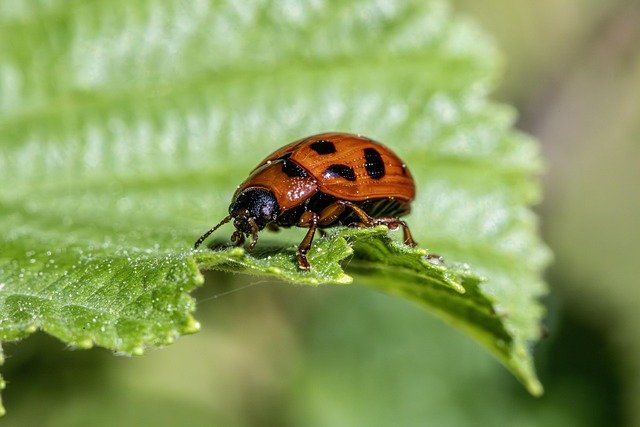
Mitigating preventing wildlife damage in Denver requires a multifaceted approach. This includes understanding local species, implementing green spaces and corridors, using deterrents, and educating residents to ensure peaceful coexistence between humans and urban wildlife while minimizing conflict and property damage. By balancing human comfort and animal well-being, Denver can effectively manage its diverse ecosystem.
In urban settings, Wildlife Management plays a vital role in maintaining ecological balance while mitigating human-wildlife conflicts. This article explores strategies for preventing wildlife damage in Denver, focusing on three key areas: understanding urban wildlife interactions, assessing and managing conflict, and developing comprehensive plans to harmonize city life with wild neighbors. By examining these aspects, we aim to provide an effective roadmap for fostering coexistence between residents of Denver and its diverse urban wildlife.
- Understanding Urban Wildlife Interactions in Denver
- Assessing and Mitigating Conflict Between Wildlife and Humans
- Developing an Effective Urban Wildlife Plan for Prevention
Understanding Urban Wildlife Interactions in Denver
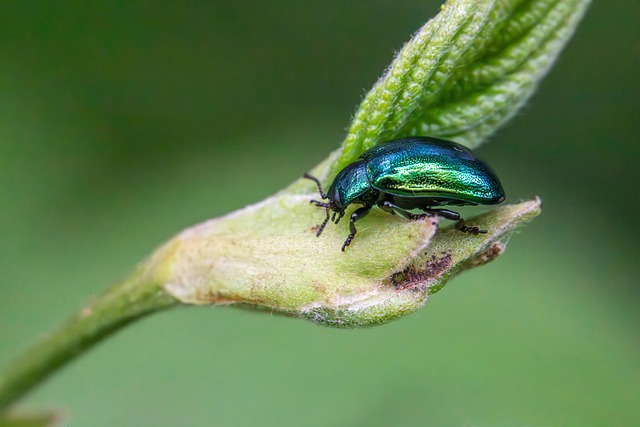
Understanding urban wildlife interactions is a crucial step in developing effective management plans for Denver's diverse species. With an ever-growing urban landscape, wildlife and humans are increasingly sharing spaces, leading to potential conflicts known as preventing wildlife damage. This issue can range from pesky squirrels entering homes to larger animals causing property damage.
Denver's urban environment presents unique challenges for wildlife, such as limited natural habitats and food sources. By studying these interactions, city planners can implement strategies to mitigate conflicts and promote harmonious coexistence. This involves creating green spaces and corridors that support wildlife while also educating residents on safe practices to prevent unwanted encounters and damage.
Assessing and Mitigating Conflict Between Wildlife and Humans

In urban areas, assessing and mitigating conflict between wildlife and humans is a critical component of an effective wildlife management plan. As cities expand into traditionally wild habitats, preventing wildlife damage becomes paramount for both residents and wildlife. In Denver, for instance, strategies such as habitat modification, deterrents, and early detection systems can significantly reduce negative encounters. By understanding wildlife behavior and creating barriers that respect the needs of both species, it’s possible to coexist peacefully with urban wildlife.
For example, preventing wildlife damage in residential areas often involves securing trash cans, trimming trees and shrubs to limit hiding spots, and using sensory deterrents like motion-activated lights or noises. Community education plays a vital role too, as informed residents are better equipped to recognize potential issues and take preventive measures. In the case of Denver’s diverse urban wildlife, a comprehensive approach that balances human comfort with animal well-being is essential for a harmonious ecosystem within the city limits.
Developing an Effective Urban Wildlife Plan for Prevention

Developing an effective urban wildlife plan is crucial for preventing wildlife damage in Denver. The first step involves identifying the specific wildlife species present in urban areas and understanding their behaviors, habitats, and dietary needs. This knowledge allows for tailored strategies to minimize conflict between humans and wildlife, such as implementing protective measures around homes and gardens to deter unwanted visitors.
Additionally, urban planning plays a significant role in promoting harmonious coexistence with local fauna. By incorporating green spaces, wildlife corridors, and native plant gardens into the cityscape, Denver can provide essential habitats and food sources for urban wildlife. These features not only support biodiversity but also serve as preventative measures by encouraging animals to stay within designated areas, reducing the likelihood of them venturing into human settlements and causing damage.
In conclusion, managing urban wildlife interactions is crucial for preventing damage and promoting harmonious coexistence in Denver. By understanding these complex relationships, assessing potential conflicts, and developing comprehensive plans, we can create safe, vibrant cities that respect and protect both residents and wildlife. Implementing effective strategies, such as habitat modification, non-lethal deterrents, and public education, will help ensure a peaceful future for both humans and urban wildlife in Denver, ultimately achieving the goal of preventing wildlife damage.