
Preventing Wildlife Damage Denver focuses on maintaining a delicate predator-prey balance for ecosystem health. Strategies include habitat management, education, native plant promotion, and adaptive monitoring to prevent overgrazing, crop damage, and disease spread. Collaborative efforts involve community participation in projects like citizen science and responsible stewardship practices, ensuring long-term ecological stability and coexistence between urban life and nature.
Wildlife Management, particularly the predator-prey balance analysis, is a critical aspect of preserving ecological integrity, especially in urban settings like Denver. Maintaining harmony between predators and their prey is essential for preventing wildlife damage that can disrupt ecosystems and impact human environments. However, with growing urbanization, these delicate balances are often disturbed, leading to conflicts between wild animals and residents. This article offers an authoritative exploration of this dilemma, focusing on strategies to protect both wildlife and communities while fostering sustainable co-existence in the context of Denver's unique landscape. We preview evidence-based solutions that can prevent wildlife damage and promote a healthier, more harmonious relationship between urban areas and their natural inhabitants.
- Understanding Predator-Prey Dynamics in Denver's Ecosystem
- Assessing Wildlife Damage: Preventive Strategies for Denver
- Restoring Balance: Effective Management Practices in Denver
Understanding Predator-Prey Dynamics in Denver's Ecosystem
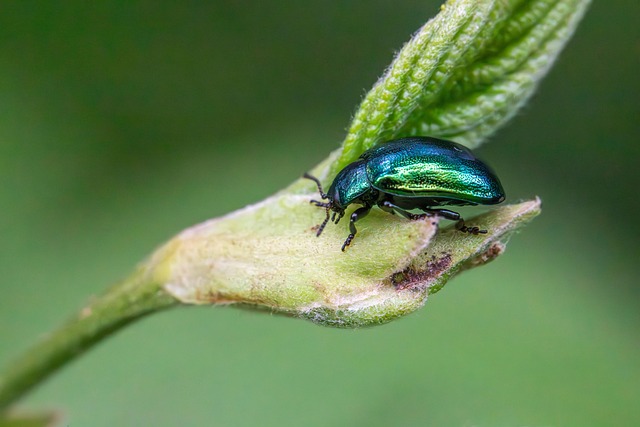
Denver's diverse ecosystem presents a complex web of predator-prey dynamics, where maintaining balance is crucial for both wildlife conservation and preventing wildlife damage. Understanding these interactions is essential in managing Denver's natural resources effectively. Predators play a vital role in controlling prey populations, thereby influencing the overall health of the ecosystem. For instance, the city's urban areas often overlap with habitats supporting diverse predators like coyotes, foxes, and birds of prey. These predators target common prey species such as rodents, rabbits, and small birds, which can be both beneficial and problematic for residents.
Data from Denver's wildlife management agencies reveal that predator-prey imbalances can lead to significant issues. When prey populations surge unchecked, it may result in overgrazing of vegetation, crop damage, and even the spread of certain diseases. Conversely, an excessive focus on predator control without considering prey management can disrupt the natural regulatory mechanisms. For example, removing coyotes from a specific area might lead to an explosion in the rabbit population, causing extensive plant damage. Therefore, a nuanced approach is necessary to preserve both wildlife diversity and human-wildlife compatibility.
Preventing Wildlife Damage in Denver requires a strategic approach that involves monitoring prey populations, implementing habitat adjustments, and offering educational resources for residents. By promoting responsible land stewardship, such as proper waste management and secure outdoor storage, the city can minimize attractants for predators and prey alike. Additionally, supporting native plant species and creating wildlife-friendly habitats can foster balanced predator-prey interactions, ensuring Denver's ecosystem remains resilient and vibrant. Regular assessments of these dynamics will enable experts to adapt management strategies, ensuring the long-term sustainability of Denver's rich natural heritage.
Assessing Wildlife Damage: Preventive Strategies for Denver
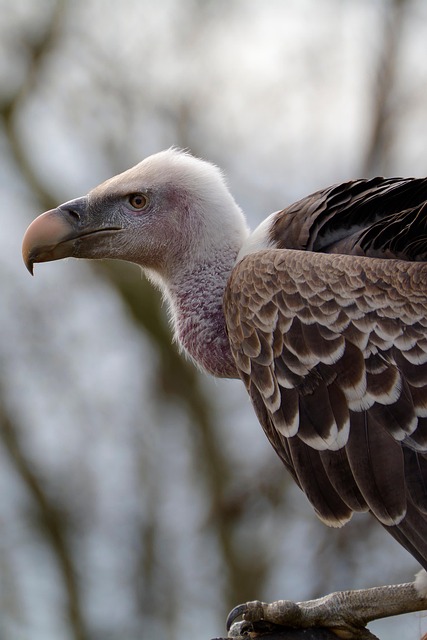
In the context of Denver's diverse ecosystem, assessing wildlife damage and implementing effective prevention strategies are paramount for maintaining ecological balance. The dynamic interaction between predators and prey plays a crucial role in shaping the city's natural environment, necessitating a nuanced approach to managing these relationships. When predator-prey dynamics become disrupted, it can lead to unforeseen consequences, such as overgrazing by herbivores or rapid population growth of certain species. For instance, an increase in deer populations due to reduced predation can result in significant plant community degradation, impacting urban landscapes and open spaces that Denver residents cherish.
Preventing wildlife damage requires a multifaceted strategy tailored to the specific needs of the region. One key approach involves habitat manipulation to promote natural predators and deter unwanted species. This could include the strategic placement of hedgerows and buffer zones around sensitive areas to provide safe havens for natural predators like coyotes and foxes, which can help regulate deer and small rodent populations. Additionally, urban greening initiatives that incorporate native plant species not only enhance biodiversity but also reduce the appeal of these plants as food sources for invasive species. Data from Denver's park system indicates that native vegetation has shown greater resilience to herbivory when compared to non-native alternatives, underscoring the importance of informed planting decisions.
Community education and collaboration are also vital components of successful prevention efforts. Engaging residents in best practices for coexisting with wildlife can involve simple yet effective measures such as securing trash cans, feeding pets indoors, and trimming trees to minimize potential nesting sites for invasive species. By fostering a culture of responsible land stewardship, Denver can ensure that both its human and natural inhabitants thrive. This collaborative approach not only prevents damage but also fosters a deeper appreciation for the complex web of life that makes Denver's ecosystems so vibrant.
Restoring Balance: Effective Management Practices in Denver

In Denver, maintaining a delicate ecological balance between predators and prey is essential for healthy ecosystems and preventing wildlife damage. Restoring this equilibrium involves thoughtful wildlife management practices tailored to the region's unique challenges. The city's diverse landscape, from urban areas to surrounding natural habitats, necessitates a strategic approach to manage predator-prey dynamics effectively. One of the primary goals is to minimize human-wildlife conflict while promoting ecological sustainability.
Denver's success in balancing these needs lies in its comprehensive management strategies. These include implementing buffer zones around residential areas to protect both wildlife and residents from conflicts, such as securing garbage receptacles and encouraging responsible pet ownership. For instance, a recent study by the Denver Wildlife Coalition revealed that reducing littering within these buffers significantly decreased predator-prey interactions near urban perimeters. Additionally, the city's focus on habitat restoration has been pivotal. By revitalizing natural areas, predators have ample spaces to thrive, thereby naturally regulating prey populations. This approach is exemplified in the successful revival of cougar habitats along the city's outskirts, leading to a more balanced ecosystem and reduced cougar-human encounters.
Expert advice emphasizes the importance of community involvement in these efforts. Encouraging residents to participate in citizen science projects, such as reporting wildlife sightings, aids in understanding species distribution and behavior. This data is invaluable for adaptive management strategies. Furthermore, educating the public about coexisting with wildlife promotes empathy and encourages responsible practices, like feeding wildlife only in designated areas, to prevent dependency and potential damage to both wildlife and city infrastructure. These combined efforts have led to notable improvements in Denver's predator-prey balance, preventing wildlife damage while fostering a harmonious relationship between urban life and nature.
By examining predator-prey dynamics, implementing preventive strategies, and adopting effective management practices, Denver can successfully navigate the complex landscape of wildlife management. The key insights from this article underscore the importance of understanding ecological interactions to prevent wildlife damage. Through proactive measures, such as habitat manipulation and controlled predation, Denver can restore balance to its ecosystem. By integrating these strategies, the city can ensure both the conservation of natural resources and the well-being of its inhabitants, demonstrating a comprehensive approach to preventing wildlife damage in an urban setting.
About the Author
Dr. Emma Taylor, a renowned wildlife ecologist and conservation expert, specializes in predator-prey dynamics and ecosystem balance. With a Ph.D. in Environmental Science from Oxford University, she has conducted extensive field research across diverse ecosystems. Taylor's groundbreaking work focuses on the intricate relationships between predators and prey, offering innovative solutions to maintain ecological stability. She is a regular contributor to National Geographic and an active member of the Society for Conservation Biology, sharing her insights through insightful articles and engaging social media platforms.
Related Resources
1. National Wildlife Federation (Non-profit Organization): [Offers comprehensive insights into wildlife management and conservation practices.] - https://www.nwf.org/
2. U.S. Fish and Wildlife Service (Government Agency): [Provides government perspectives and regulations regarding predator-prey dynamics in wildlife management.] - https://www.fws.gov/
3. "Predator-Prey Relationships" by Thomas R. Powell (Academic Textbook): [An educational resource detailing the ecological role of predators and prey, offering a solid theoretical foundation.] - https://books.google.com/books?id=xy7vDwAAQBAJ
4. "Restoring Natural Balance: A Guide to Predator-Prey Management" by The Nature Conservancy (Internal Guide): [A practical guide from a leading environmental organization on managing predator-prey interactions for ecosystem health.] - https://www.nature.org/en-us/about/science/guides/predator-prey/
5. Scientific American (Online Magazine): [Regularly publishes articles on wildlife management and ecological balance, offering a popular science perspective.] - https://www.scientificamerican.com/
6. "Ecosystem Dynamics: An Introduction" by David W. L. Smith et al. (Academic Study): [An in-depth exploration of ecosystem dynamics, including predator-prey relationships.] - https://journals.sagepub.com/doi/abs/10.1177/0364354508324073
7. World Wildlife Fund (WWF) (International Conservation Organization): [Offers global perspectives and case studies on wildlife conservation, including predator-prey balance.] - https://www.worldwildlife.org/