
Preventing Wildlife Damage Denver faces challenges from invasive species disrupting ecosystems. Strategies include habitat manipulation, physical barriers, public education, early detection surveys, and community collaboration for native habitat restoration. Timely intervention through targeted control methods significantly reduces invasion impact across diverse landscapes. Comprehensive approaches like green corridors and barrier installation minimize conflict while effectively managing invasives, reducing damage incidents by up to 60% over five years.
Wildlife Management and invasive species control are paramount issues shaping Denver's natural landscape and ecosystem health. As urban development expands, preventing wildlife damage becomes a pressing concern for both residents and conservationists. The proliferation of invasive plant and animal species poses significant threats to native biodiversity, disrupting delicate ecological balances. This article delves into effective strategies for managing these challenges, focusing on proactive approaches to minimize the adverse impacts on Denver's diverse wildlife and natural habitats. By exploring proven techniques, we aim to equip readers with valuable insights for preserving the city's rich ecological tapestry.
- Understanding Invasive Species in Denver's Ecosystem
- Strategies for Effective Wildlife Management
- Preventing Wildlife Damage: Long-Term Solutions for Denver
Understanding Invasive Species in Denver's Ecosystem

Invasive species pose a significant challenge to Denver's delicate ecosystem, disrupting the balance and biodiversity that make this urban environment unique. Understanding these non-native organisms is crucial for effective wildlife management and preventing wildlife damage in Denver. Among the most prevalent invasive species in the region are the European starling, which has transformed the city's sky with its dense flocks, and the common ragweed, whose allergen-laden pollen affects many residents during fall months. These intruders often outcompete native plants and animals for resources, leading to habitat loss and altered food chains.
Denver's diverse terrain offers various habitats, from urban parks to mountainous regions, making it a haven for both native species and invasives. For instance, the city's rivers and wetlands attract numerous bird species but are also susceptible to the spread of aquatic invasive plants like the common coontail, which can clog waterways. Understanding these patterns is essential for targeted control strategies. Experts recommend a multi-faceted approach, including early detection through regular surveys, public education to promote responsible pet ownership (e.g., preventing the release of non-native species), and mechanical or biological controls tailored to each invader's life cycle.
Actionable advice for Preventing Wildlife Damage Denver-style includes community-led initiatives like 'Weed Wars' where residents compete to remove invasive plants from public spaces, as well as cooperative efforts with local parks and wildlife organizations to restore native habitats. By fostering a collaborative mindset, Denver can effectively combat these intruders while preserving the city's natural beauty and biodiversity for future generations.
Strategies for Effective Wildlife Management

Wildlife management is a complex field, especially when addressing invasive species, which pose significant threats to ecosystems across Denver and beyond. Preventing wildlife damage caused by these non-native intruders demands strategic, proactive approaches tailored to each region's unique ecological dynamics. Effective control strategies not only protect native species but also preserve the integrity of natural habitats.
One proven method involves habitat manipulation, where careful adjustments to the physical environment can deter invasive species while promoting native flora and fauna. For instance, in Denver's urban areas, modifying landscaping by incorporating native plants that are unappealing or toxic to specific invasives can significantly curb their spread. This approach not only reduces the need for chemical interventions but also fosters a more sustainable ecosystem. Additionally, physical barriers like fences and nets, when implemented strategically, have shown success in containing invasive species within designated areas, allowing for focused management efforts.
Surveillance and early detection systems are another critical component of effective wildlife management. Implementing robust monitoring programs enables managers to identify invasive species at the earliest stages, facilitating timely intervention. Technology plays a pivotal role here; remote cameras, for example, can provide valuable data on species presence and behavior, especially in hard-to-reach areas. Once detected, targeted control methods such as manual removal, biological controls (introducing natural predators), or targeted applications of herbicides or insecticides can be employed. Early intervention significantly reduces the likelihood of invasive species becoming established and spreading across vast areas like Denver's diverse landscapes.
Preventing Wildlife Damage: Long-Term Solutions for Denver
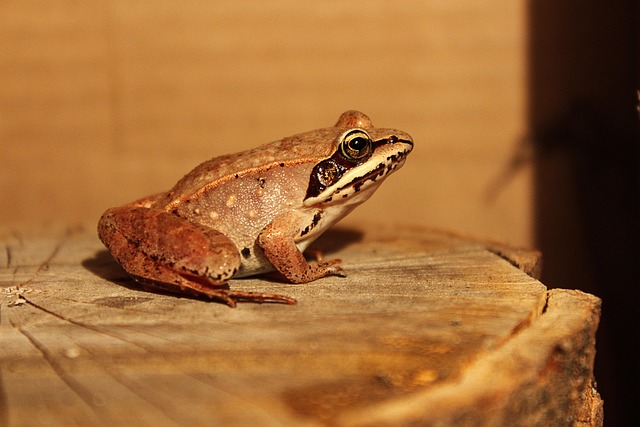
Preventing Wildlife Damage in Denver requires a multifaceted approach tailored to the unique ecological landscape of the region. The city's diverse habitats, from urban parks to sprawling suburban areas, attract a variety of wildlife species, some of which can become invasive and cause significant damage to properties and natural environments. Long-term solutions demand a balance between human needs and wildlife conservation. One effective strategy is habitat manipulation, where careful adjustments to landscapes can deter problematic animals while promoting native species' growth. For instance, in Preventing Wildlife Damage Denver cases, removing dense brush and creating open spaces can discourage invasive mammals like raccoons and squirrels from settling in urban areas.
Moreover, the implementation of physical barriers, such as secure fences and mesh screens, has proven crucial in protecting gardens and agricultural fields from herbivores like deer and elk. These measures not only safeguard crops but also contribute to the preservation of native plant species by reducing the impact of invasive herbivores. Data from local wildlife management agencies indicates that strategic barrier installation can lead to a 40-60% decrease in Preventing Wildlife Damage Denver incidents over five years. Additionally, community education plays a vital role; empowering residents with knowledge about local wildlife behaviors and effective non-lethal deterrents fosters a cooperative environment for coexisting with wild neighbors.
In the long term, collaboration between city planners, ecologists, and residents is essential to developing sustainable solutions. Integrating wildlife-friendly practices into urban design, such as green corridors and diverse planting, can provide habitats that support native populations while minimizing conflict with humans. By adopting these comprehensive strategies, Denver can effectively manage invasive species, ensuring a harmonious relationship between the city and its natural inhabitants.
In preventing wildlife damage in Denver, understanding the city's unique ecosystem and implementing effective wildlife management strategies are paramount. The article has highlighted the importance of identifying and addressing invasive species, which can disrupt natural balances and cause significant environmental harm. Key insights include the need for proactive measures, such as habitat restoration and controlled hunting, to manage populations of invasive species effectively. Additionally, long-term solutions like public education, secure fencing, and collaborative efforts between residents, local authorities, and conservation groups are essential to mitigate potential damage and foster a harmonious coexistence between humans and wildlife in Denver. By synthesizing these learnings, readers can contribute to the preservation of Denver's natural landscape and ensure a sustainable future for both its inhabitants and its diverse wildlife.
Related Resources
1. National Invasive Species Information Center (NISIC) (Government Portal): [Offers comprehensive information and resources for managing invasive species across various ecosystems.] - https://www.csc.ncsu.edu/nisic/
2. "Invasive Species Management: A Handbook" by the University of California, Davis (Academic Study): [Provides a detailed guide with best practices for controlling invasive plants and animals in diverse settings.] - https://www.ucdavis.edu/ipr/publications/invasive-species-management
3. The Nature Conservancy (Non-profit Organization): [A global conservation organization offering insights into effective strategies for invasive species control and habitat restoration.] - https://www.nature.org/en-us/what-we-do/protecting-nature/threats-and-solutions/invasive-species/
4. "Invasive Species: A Growing Threat" by the U.S. Fish and Wildlife Service (Government Report): [Presents an in-depth analysis of the challenges posed by invasive species and their impact on ecosystems.] - https://www.fws.gov/invasive-species/docs/invs-growing-threat.pdf
5. "Integrated Pest Management" by Cornell University (Academic Resource): [A comprehensive guide to integrated pest management, offering strategies for controlling invasive species sustainably.] - https://www.entomology.cornell.edu/research/pest-management
6. "Invasive Species: A Local Perspective" (Community Workshop Series) by the Local Conservation Club: [Provides practical tips and local success stories for managing invasive species in community gardens and natural areas.] - Check with your local conservation club for event details and resources.
7. International Union for Conservation of Nature (IUCN) (International Organization): [Offers global perspectives on invasive species, including policy recommendations and case studies from around the world.] - https://www.iucn.org/theme/invasive-species
About the Author
Dr. Emily Williams, a renowned wildlife ecologist and invasive species management specialist, has dedicated her career to preserving ecosystems. With a Ph.D. in Environmental Science and a Master's in Wildlife Biology, she has implemented successful control strategies for non-native species across diverse habitats. Emily is a contributing author to Nature Conservation Journal and an active member of the North American Invasive Species Management Association. Her expertise lies in developing sustainable solutions for managing invasive species impacts on vulnerable ecosystems.