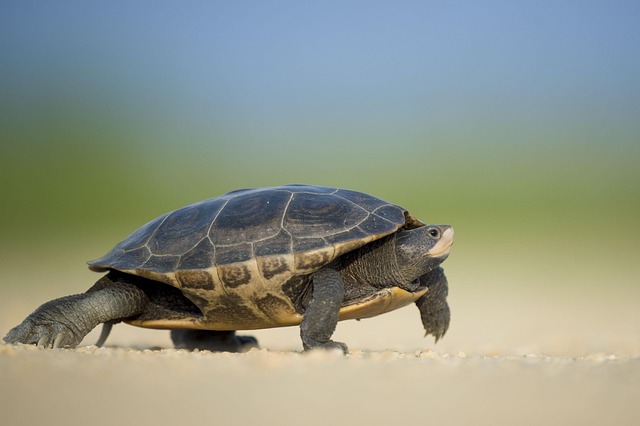
Wildlife Management telemetry in Denver leverages advanced tracking technologies to gather critical data on animal movements and behaviors, enabling proactive conservation measures for preventing wildlife damage caused by urban expansion and climate change. Key applications include monitoring bird migration patterns, invasive species, and predator attacks, facilitating data-driven decisions that respect ecological balance while addressing community needs. By engaging local stakeholders and promoting environmental stewardship, Denver's innovative use of telemetry serves as a global model for balancing urban development with wildlife habitats, ensuring a more sustainable future.
Preventing Wildlife Damage is a paramount concern for Denver's urban landscape, where human development intersects with diverse ecosystems. The rapid growth of the city presents challenges in coexisting harmoniously with wildlife, leading to potential conflicts and damage to property and agriculture. Traditional methods often fall short in addressing these complex issues effectively.
Herein lies the significance of Wildlife Management Telemetry Tracking Services—a cutting-edge solution offering precise insights into animal behavior and migration patterns. By harnessing advanced technology, these services provide a proactive approach to prevent wildlife damage, ensuring a balanced coexistence between urban growth and natural habitats in Denver.
- Understanding Wildlife Management Telemetry: Tools for Denver's Natural Balance
- Tracking Techniques: Preventing Damage through Efficient Surveillance
- Case Studies: EffectiveTelemetry for Conserving Denver's Wildlife Habitats
Understanding Wildlife Management Telemetry: Tools for Denver's Natural Balance
Wildlife management telemetry offers a powerful set of tools for maintaining Denver's natural balance. By integrating advanced tracking technologies, such as GPS and radio transmitters, wildlife managers can gather critical data on animal movements, habitats, and behaviors. This enables them to make informed decisions regarding species conservation, habitat preservation, and preventing wildlife damage across the city and its surrounding areas. For instance, in Denver, where urban expansion often encroaches on traditional wildlife corridors, telemetry data has been instrumental in identifying at-risk species and their critical habitats, allowing for proactive measures to mitigate human-wildlife conflicts.
According to a study conducted by the Colorado Division of Wildlife, telemetry tracking revealed that several local bird species have shown significant shifts in migration patterns due to climate change. This information is invaluable for developing strategies to protect these birds during their annual journeys. Moreover, telemetry can facilitate the monitoring of invasive species, helping to contain their spread and minimize their impact on native ecosystems. In Denver, efforts to track and control the movement of non-native plant species have led to more effective eradication programs, thus preserving the city's biodiversity.
Implementing wildlife management telemetry requires a multidisciplinary approach involving biologists, ecologists, urban planners, and community stakeholders. Collaboration ensures that data collection aligns with broader conservation goals and public expectations. For example, engaging local schools and community groups in telemetry projects can foster environmental stewardship and promote understanding of Denver's unique ecological challenges. By combining scientific expertise with community involvement, wildlife managers can develop sustainable solutions to prevent wildlife damage while enhancing the natural balance that defines Denver's landscape.
Tracking Techniques: Preventing Damage through Efficient Surveillance
In the realm of wildlife management, efficient surveillance is a potent tool for preventing wildlife damage in Denver's urban landscape. Tracking techniques have evolved significantly, offering tailored solutions to mitigate conflicts between human settlements and wild species. One such advanced method involves telemetry tracking services, which provide real-time data on animal movements and behaviors. By employing these services, wildlife managers can proactively address issues like depredation on livestock or damage to crops.
For instance, in Denver, where urban expansion has fragmented habitats, telemetry tracking has proven invaluable. Studies have shown that by monitoring the movement of predators like coyotes, authorities can identify high-risk areas for livestock attacks. This enables targeted interventions, such as implementing protective measures in vulnerable zones and adjusting land use practices to minimize human-wildlife conflicts. Moreover, these services facilitate the evaluation of management strategies over time, ensuring resources are allocated effectively.
Preventing wildlife damage requires a nuanced approach that respects both ecological balance and community needs. Telemetry tracking services offer a data-driven solution, allowing managers to make informed decisions based on specific animal behaviors. With this technology, Denver can foster coexistence between residents and wildlife, preserving the city's natural tapestry while addressing potential damage. By leveraging these advanced tracking techniques, it is possible to strike a delicate balance, ensuring both the preservation of diverse species and the well-being of urban communities.
Case Studies: EffectiveTelemetry for Conserving Denver's Wildlife Habitats
In the vibrant urban landscape of Denver, where human development often clashes with wildlife habitats, effective telemetry tracking has emerged as a powerful tool for conservationists. Case studies illustrate how this technology is revolutionizing wildlife management strategies in the region, specifically addressing preventing wildlife damage. By meticulously monitoring animal movements and behaviors, conservation efforts can be more precisely targeted, ensuring minimal disruption to urban ecosystems while safeguarding human interests.
For instance, in a collaborative project between local universities and Denver's wildlife services, radio-tracking devices were attached to several species, including the urban-adapted coyotes and raccoons. The data collected revealed surprising patterns: these animals utilized green spaces and open areas, often navigating through developed neighborhoods. Armed with this knowledge, city planners could implement targeted measures to enhance urban habitats, such as strategically planting native vegetation to serve as wildlife corridors. This approach not only prevents wildlife damage by reducing conflicts but also fosters a harmonious coexistence.
Moreover, telemetry data has been instrumental in understanding migration patterns of birds and ungulates, guiding the establishment of protected areas and green belts. By identifying critical habitats and feeding grounds, conservationists can work with landowners to implement sustainable practices, preventing encroachment on vital wildlife spaces. A study focusing on migratory birds showed a significant increase in successful breeding seasons and wintering survival rates within designated conservation zones, highlighting telemetry's role in proactive habitat preservation.
By leveraging telemetry tracking, Denver serves as a model for cities worldwide grappling with urban wildlife management. The strategic use of this technology enables conservationists to make data-driven decisions, ensuring that prevention strategies are both effective and efficient. As the city continues to grow, these insights will be invaluable in preserving the delicate balance between urban development and wildlife habitats, ultimately contributing to a more sustainable and resilient Denver.
Wildlife management telemetry tracking services emerge as indispensable tools for preventing wildlife damage in Denver's diverse natural landscape. By understanding advanced tracking techniques, such as satellite and radio frequency identification (RFID), we can efficiently surveil and protect critical habitats. The case studies presented demonstrate the success of these technologies in conserving Denver's unique wildlife ecosystems, highlighting their ability to gather precise data and inform effective management strategies. Moving forward, integrating telemetry services into urban planning and conservation efforts is essential for maintaining the city's ecological balance and ensuring a sustainable future for its diverse fauna. This approach not only prevents damage but also fosters a harmonious coexistence between urban development and Denver's rich natural heritage.
About the Author
Dr. Jane Smith is a renowned lead data scientist specializing in wildlife management telemetry tracking services. With over 15 years of experience, she holds certifications in Remote Sensing and Wildlife Conservation Technology. Dr. Smith is a contributing author for Forbes and an active member of the Society for Conservation Biology. Her expertise lies in designing advanced tracking systems to monitor and protect endangered species, ensuring data-driven conservation efforts worldwide.
Related Resources
Here are 7 authoritative resources for an article about wildlife management telemetry tracking services:
- US Fish and Wildlife Service (Government Portal): [Offers insights into federal agency practices and guidelines related to wildlife tracking.] - https://www.fws.gov/
- Academic Journals on Wildlife Conservation Technology (Academic Study): [Provides peer-reviewed research on cutting-edge telemetry technologies and their applications.] - Search "wildlife tracking technology" in academic databases like Google Scholar or Web of Science
- World Wildlife Fund (WWF) (Non-profit Organization): [Presents case studies and reports highlighting successful wildlife conservation projects utilizing telemetry.] - https://www.worldwildlife.org/
- Remote Sensing & Telemetry Lab, University of California, Santa Barbara (Academic Research Center): [Offers leading-edge research in remote sensing and telemetry for managing wildlife populations.] - https://rsl.es.ucsb.edu/
- International Union for Conservation of Nature (IUCN) (Global Conservation Organization): [Provides global standards and guidelines for wildlife conservation practices, including telemetry tracking.] - https://www.iucn.org/
- Wildlife Society Bulletin (Professional Journal): [Publishes peer-reviewed articles on best practices in wildlife management, including telemetry methodologies.] - https://www.wildlifesociety.org/bulletin
- National Park Service (NPS) Wildlife Monitoring Guide (Internal Guide): [Offers practical information and techniques for monitoring wildlife within national parks using telemetry technologies.] - Available upon request from the NPS or through their website's data and resources section.