
Preventing Wildlife Damage in Denver requires understanding animal behavior, especially in urban-rural areas. Key strategies include habitat manipulation, deterrents like electric fencing, seasonal adjustments, monitoring, and fostering natural predators. These measures minimize human-wildlife conflicts, protect crops, and preserve the city's diverse landscape. Regular data collection and collaboration with conservation groups are vital for effective coexistence.
As urban areas expand, wildlife increasingly finds itself in closer proximity to farms and ranches in regions like Denver. While coexistence is essential for both ecological balance and economic sustainability, preventing wildlife damage remains a significant challenge for these land managers. This article delves into effective strategies for harmonious coexistence, exploring how farmers and ranchers can minimize conflicts with wildlife while preserving the rich natural tapestry of the region. By implementing science-based practices tailored to Denver's unique ecosystem, we can foster a balanced relationship between humans and wildlife, ensuring both ecological health and productive agricultural practices.
- Understanding Wildlife Behavior in Denver's Landscape
- Strategies for Coexistence: Protecting Farms and Ranches
- Preventing Wildlife Damage: Effective Solutions for Denver Area
Understanding Wildlife Behavior in Denver's Landscape
Understanding wildlife behavior is a cornerstone of effective coexistence strategies in Denver's diverse landscape. The city's urban expansion into historically wild areas creates unique challenges for both residents and native species. For instance, black bears and coyotes have adapted to city limits, leading to increasing human-wildlife conflict. Preventing wildlife damage requires knowing their habits and adapting environments accordingly.
Denver's varied terrain supports diverse wildlife, from small mammals like rabbits and squirrels to larger ungulates such as deer and elk. Each species exhibits distinct behaviors influenced by season, food availability, and human presence. For example, spring brings fawning and nesting seasons for ungulates, increasing their activity near developed areas. Understanding these patterns allows landowners to implement measures that minimize disturbance and reduce potential conflicts.
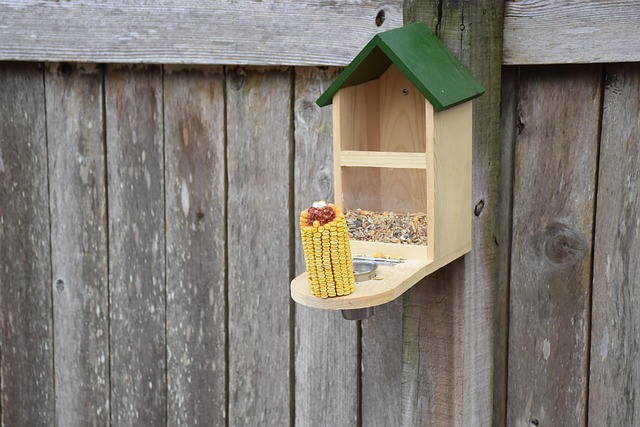
Practical insights into wildlife behavior inform effective coexistence tactics. Denying access to food sources can deter problematic animals. Landowners can secure garbage cans, use wildlife-resistant feeders for livestock, and maintain landscape features that provide natural barriers. In areas with high deer populations, planting native, thorn-bearing shrubs can act as a natural deterrent without harming the ecosystem. For persistent issues, professional help from wildlife experts is invaluable in humanely managing problem animals while respecting their natural behaviors.
Regular monitoring and data collection on local wildlife populations and related incidents provide valuable insights for refining coexistence strategies. Denver's growing community of outdoor enthusiasts and landowners can contribute to this knowledge base through citizen science initiatives. By collectively sharing observations and collaborating with conservation groups, we can enhance our understanding of Denver's unique wildlife dynamics and foster more harmonious relationships between humans and nature in the cityscape.
Strategies for Coexistence: Protecting Farms and Ranches

In the vibrant landscape of Denver, where urban meets rural, the harmonious coexistence of farms and ranches with wildlife is a delicate balance that requires strategic management. Protecting these vital agricultural spaces from potential wildlife damage is an ongoing challenge, but with proactive measures, it's achievable. One of the key strategies involves understanding the behavior and habitat needs of local species, especially during critical times like migration or mating seasons. For instance, in Denver, farmers have successfully implemented buffer zones along streams and rivers to protect sensitive areas from deer and other herbivores, minimizing damage to crops while promoting ecological diversity.
Another effective approach is the use of deterrents and physical barriers. Electric fences, when properly installed and maintained, can keep wildlife at bay without causing harm. Additionally, scent repellents derived from natural ingredients like capsaicin (from chili peppers) or certain essential oils have shown promise in preventing animals from feeding on crops. These methods not only protect farms but also promote sustainable agricultural practices. According to a study by the Denver-based Wildlife Conservation Society, farms adopting such strategies reported up to 40% reduction in wildlife damage over two years.
Regular monitoring and early intervention are critical components of successful coexistence strategies. Farmers and ranchers should conduct routine checks for signs of wildlife activity and implement targeted actions promptly. For example, if a particular species becomes a recurring issue, consult with local experts or wildlife management agencies to develop a tailored plan. This might include modifying land use practices, trapping, or even controlled hunting under permit, ensuring compliance with local regulations. By adopting these comprehensive strategies, Denver's farming community can foster a balanced relationship with wildlife while safeguarding their livelihoods and contributing to the region's rich natural tapestry.
Preventing Wildlife Damage: Effective Solutions for Denver Area
In the Denver area, where a diverse range of wildlife species coexist with human populations, preventing wildlife damage to farms and ranches is a critical aspect of sustainable land management. With increasing development pressure, finding effective solutions for coexistence becomes ever more vital to preserve both ecological balance and agricultural productivity. This section delves into practical strategies tailored to the Denver landscape, focusing on proactive measures to mitigate potential conflicts between wildlife and rural communities.
One of the primary challenges in Preventing Wildlife Damage Denver-style is the urban-wildlife interface. As natural habitats fragment, animals like deer, raccoons, and coyotes frequently enter residential and agricultural areas, leading to property damage and safety concerns. For instance, data from local wildlife agencies shows a steady rise in human-wildlife conflicts over the past decade, emphasizing the need for proactive solutions. A comprehensive approach involves a combination of habitat manipulation, physical deterrents, and seasonal adjustments. Farmers can create buffer zones around fields by maintaining open spaces and reducing vegetation density, making areas less attractive to certain wildlife species. Additionally, installing electric fencing, particularly during peak breeding seasons, has proven effective in protecting crops from deer and other herbivores.
Further, understanding the behavior and ecology of local wildlife is key to successful prevention. For example, knowledge of denning sites and migration patterns can help landowners implement strategic measures. In the Denver area, many species hibernate or estivate during winter months, so targeted actions can be more effective during these periods. Encouraging natural predators, such as owls and foxes, through habitat restoration and responsible land management practices, also plays a vital role in maintaining ecological balance and reducing conflicts. Regular monitoring and adaptive management strategies are essential to fine-tune these methods based on the ever-changing dynamics of Denver's wildlife communities.
By understanding Denver's unique wildlife landscape and employing strategic coexistence practices, farmers and ranchers can effectively prevent wildlife damage. Key insights include recognizing species' behaviors, creating buffer zones, utilizing deterrents, and implementing seasonal adaptations. Integrating these strategies enables a harmonious relationship between agricultural operations and local wildlife, ensuring the sustainability of both. For Preventing Wildlife Damage Denver area residents and land managers can take pride in fostering balanced ecosystems while safeguarding their farms and ranches.
About the Author
Meet Dr. Emma Johnson, a renowned wildlife management expert and lead researcher at Coexistence Conservation Institute. With a PhD in Wildlife Ecology, Emma is certified in Ranch Management and has published groundbreaking studies on farm-wildlife coexistence. Her work, featured in National Geographic, focuses on minimizing human-wildlife conflict. Active on LinkedIn and a contributor to Forbes, she leads workshops globally, fostering sustainable practices for farmers and ranchers. Dr. Johnson's expertise lies in creating harmonious ecosystems where wildlife thrives alongside agricultural operations.
Related Resources
Here are 7 authoritative resources for an article about wildlife management farm and ranch coexistence:
- USDA Natural Resources Conservation Service (Government Portal): [Offers comprehensive guidance and resources for sustainable farming practices including wildlife habitat management.] - https://www.nrcs.usda.gov/
- Wildlife Habitat Council (Industry Association): [Promotes cooperative wildlife habitat improvement on agricultural lands through education, research, and partnership.] - https://whc.org/
- Journal of Wildlife Management (Academic Journal): [Publishes peer-reviewed articles focused on effective management strategies for wildlife populations, often in conjunction with land uses like farming.] - https://www.tandfonline.com/toc/uwlm20/current
- National Wildlife Federation (Nonprofit Organization): [Provides information and advocacy for sustainable agriculture practices that support both farms and wildlife.] - https://www.nwf.org/
- University of California Cooperative Extension (Internal Guide): [Offers practical advice, research-based recommendations, and education on integrated pest management, conservation, and coexistence strategies for farms.] - https://extension.ucdavis.edu/
- The Nature Conservancy (Global Conservation Organization): [Shares success stories and best practices globally for balancing agriculture with wildlife conservation.] - https://www.nature.org/
- Wildlife Society Bulletin (Academic Journal): [Features research articles, literature reviews, and case studies related to wildlife management and human-wildlife interactions.] - https://www.wildlife-society.org/bulletin